
Lipoedema legs in compression stockings

A Patient-led Guide to Navigating Early Lipoedema Diagnosis & Treatment

Do you feel like something isn’t right with your legs, yet keep hitting dead ends? Or perhaps you’ve been diagnosed with early-stage lipoedema and aren’t sure what steps to take next?

You’ve landed in the right place. Navigate Lipoedema is a patient-led resource built to help women with suspected early-stage lipoedema advocate for themselves, find knowledgeable clinicians, and reach diagnosis and care sooner.

Explore the Free Program

Free Self-Advocacy Program

Getting Heard and Reaching Diagnosis Faster

Three short lessons and a printable workbook to help you organise your symptoms, prepare for appointments, and track how your body responds to care. It takes about 20 minutes and is completely free.

  1. 1Research and PrepareDocumenting your symptoms and family history before you walk into the clinic.
  2. 2Finding Your Care ProviderLocating GPs, vascular specialists, and allied health clinicians who understand lipoedema.
  3. 3Tracking and Documenting CareRecording what works for your body so you can have productive follow-up appointments.

Start the Free Program
Parliament House, Canberra

Advocacy · October 2026

Lipoedema goes to the Senate

By Toni Morrow, Founder

We pay into Medicare like everyone else. Yet the surgery for lipoedema has no item number and is labelled cosmetic. My submission to the Senate Select Committee on Women’s Health shows what that exclusion costs: an estimated $6.5 billion a year, and women shut out of the big-data research that is speeding up diagnosis for other diseases. Women are expected to accept less. It’s exploitative, and it has to change.

Inquiry
Senate Select Committee on Women's Health
The cost
An estimated $6.5 billion a year
The gap
No Medicare item number, no data, no funding

Understanding Lipoedema

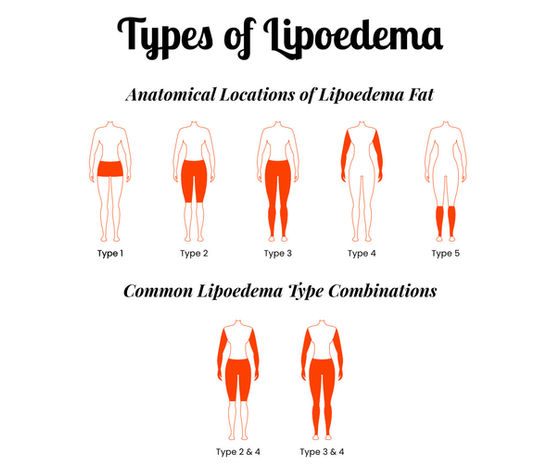
Lipoedema is a disease of the loose connective tissues (LCT), and is a complex chronic condition characterised by abnormal distribution and buildup of painful fat and connective tissue in the extremities. It's a genetic condition that almost exclusively affects women.

The abnormal fat distribution often causes a distinctive 'column-like' shape to the legs, and the tissue is usually painful, bruises easily and characteristically full of 'nodules' that may feel like grains of rice, or walnuts. Legs often feel heavy and experience swelling. Leaky vessels cause a buildup of fluid in the tissue, causing the lymphatics to struggle with fluid clearance. This fluid causes chronic inflammation, which leads to the formation of fibrosis throughout the tissue.

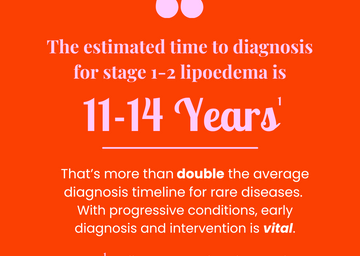
Despite being first described in the 1940's, few physicians in Australia are aware of it, so recognising the signs and symptoms is often the starting point for many women who have lipoedema.

Take control of your lipoedema journey with tools, knowledge and practical peer-led tools.

Path to Diagnosis & Care

Path to Diagnosis & Care

Follow a structured 5-step roadmap to navigate the Australian healthcare system, built from real patient experience.

View the 5 Steps
Comprehensive Research Library

Comprehensive Research Library

Explore peer-reviewed studies and clinical guidelines so you can walk into appointments informed and confident.

Browse the Library
Free 1:1 Peer Advocacy Sessions

Free 1:1 Peer Advocacy Sessions

Feeling overwhelmed by where to start? Book a free 1:1 walkthrough with a fellow patient to organise your notes and appointment questions (non-medical peer support).

Book a Free Session

A 5-Step Pathway

Navigating Early-Stage Lipoedema Step by Step

An overview of the five practical steps that took me from first suspecting lipoedema to having an organised plan for medical appointments. Each step is covered in full on the My Plan Process page.

  1. Step 1

    Step 1

    Building Your Healthcare Team

    Identifying the right GP and allied health professionals to support an assessment.

  2. Step 2

    Step 2

    Preparing for Diagnosis

    Compiling your symptom timeline, photos, and research so your doctor takes you seriously.

  3. Step 3

    Step 3

    Exploring Management Options

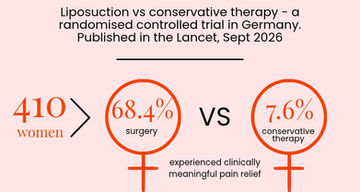
    Understanding conservative therapies and surgical pathways to discuss with your clinicians.

  4. Step 4

    Step 4

    Documenting Your Appointment Plan

    Putting your questions, goals, and referral requests into a clear one-page summary.

  5. Step 5

    Step 5

    Track, Reflect, and Adjust

    Keeping a simple log of symptom changes and treatment responses to review with your care team.

Latest from the Blog

Subscribe For Updates

Lipoedema insights and updates straight to your inbox.

Free short learning program

Struggling to get your symptoms taken seriously?

Self-advocacy is simply knowing what to say, and what to show, so your symptoms are taken seriously. Our free Self-Advocacy program walks you through it in a few short lessons, with a workbook you can take to your appointment.

Start the free program
Navigate Lipoedema

© 2026 Navigate Lipoedema. All rights reserved.

I am a patient advocate sharing my personal lived experience and publicly available research - not a registered medical or allied health practitioner. Nothing on this website, in my blog, or within my free self-advocacy resources constitutes medical advice, diagnosis, or clinical treatment. Always consult a qualified healthcare professional regarding your own medical care. Directory listings are compiled from publicly available clinic details for patient convenience and do not represent formal endorsements or clinical partnerships.

We use cookies to make our website work better. By using our website, you agree to the cookies policy - you can learn more about the policy here. If you don't want to use cookies, you can .