Navigating the complexities of lipoedema with Dr Avi Charlton (Prescribing Lifestyle Prodcast) and Toni Morrow (Navigating Lipoedema)

Discussing lipoedema with low carb diet expert, Dr Avi Charlton.
read more

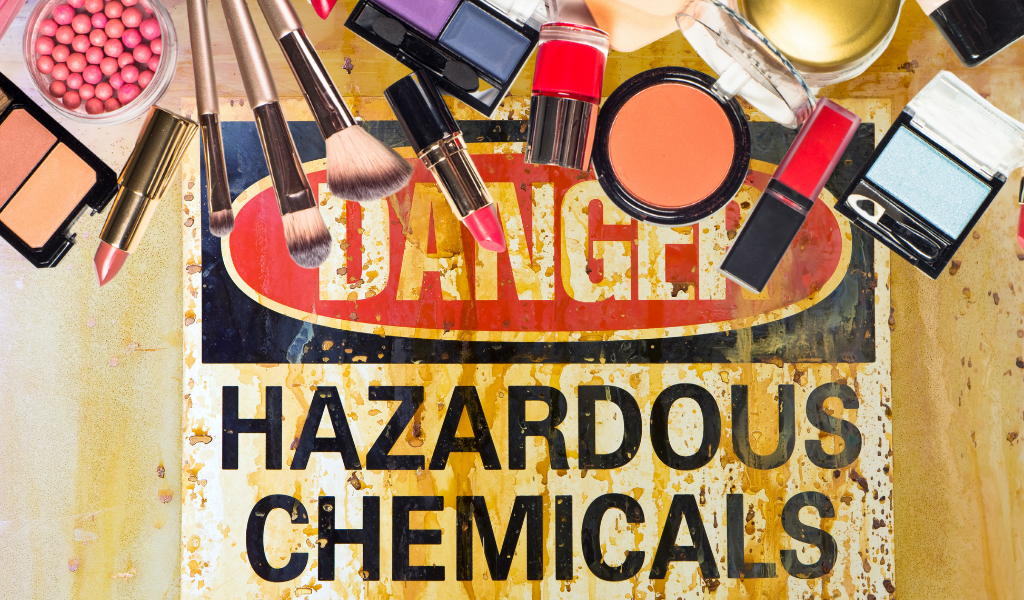
If you’re living with lipoedema, you already know the pattern. The condition often worsens during puberty, pregnancy, or perimenopause – times when your hormones are in flux. While lipoedema is genetic, hormones act as a powerful accelerator of disease progression.
But here’s what many women with lipoedema don’t realise: the everyday products we use — from our morning moisturiser to our workout leggings — may be quietly disrupting the very hormones that influence our condition.
What if I told you that switching out just a few personal care products could reduce your exposure to emdocrine-disrupting chemicals by nearly half – in just three days?
A landmark investigation known as the HERMOSA study, conducted by researchers at UC Berkeley, revealed the remarkable plasticity of our chemical body burden. The research team followed a cohort of adolescent girls who temporarily eliminated conventional cosmetics, shampoos, and lotions containing known endocrine-disrupting chemicals (EDCs) – specifically phthalates and parabens.
The intervention lasted just 72 hours.
The results were striking: urinary concentrations of these chemicals declined by up to 45% in that brief window.
Consider the implications. If three days of modified product use can substantially reduce the hormonal load in teenagers – whose detoxification systems are presumably robust – what might sustained changes offer a woman whose body is already managing a hormone-sensitive adipose disorder?
For women managing lipoedema, endocrine-disrupting chemicals aren’t confined to the cosmetics aisle – they’re embedded in the fabric of daily life. Let’s trace a single morning and map the points of contact:
Before dawn breaks, you’re sleeping in polyester pajamas, synthetic fibers pressed against your skin for eight hours straight.
In the shower, fragrance becomes the delivery system: phthalates in your body wash, parabens in your shampoo, all absorbed through warm, open pores.
During your workout, the physics become particularly relevant. Nylon and spandex gym wear doesn’t just compress – it heats up. As synthetic fibers warm against your skin, they soften and leach chemicals and microplastics directly onto your body’s largest organ, often positioned right over critical lymphatic pathways where lipoedema tissue accumulates.
Post-exercise hydration comes from a plastic bottle that may have spent days in a heated warehouse or delivery truck, its contents now enriched with leached compounds.
Your compression therapy – medically necessary for many – adds another layer. Most compression garments are petroleum-derived synthetics, worn for hours against the very tissue we’re trying to protect.
The Sweat Amplification Effect
A 2024 study by the University of Birmingham has revealed a particularly concerning mechanism: perspiration enhances the transfer of chemical additives from synthetic fabrics into the body through dermal absorption. When you exercise in plastic-based athletic wear, the combination of elevated body temperature, friction, and moisture creates optimal conditions for chemical migration. The very act intended to improve your health – movement and cardiovascular exercise – may simultaneously be increasing your absorption of endocrine-disrupting compounds including phthalates, bisphenols, and PFAS (per- and polyfluoroalkyl substances, known as ‘forever chemicals’). These findings suggest that the intensity of sweating correlates with increased chemical absorption potential – a sobering reality for women managing a condition that already demands regular physical activity and compression therapy.
By midday, your endocrine system has navigated a gauntlet of exposures. For metabolically healthy individuals, this represents a manageable detoxification challenge. For a body already contending with chronic inflammation and dysregulated adipose tissue, this cumulative chemical burden may function as an invisible accelerant of disease progression.
Complete elimination of synthetic materials and commercial products isn’t realistic – nor is it advisable. The psychological stress of attempting environmental perfection would itself become an endocrine disruptor, triggering cortisol cascades that undermine the very hormonal balance we’re trying to restore.
Instead, I advocate for the Slow Swap: a methodical reduction of your toxic burden, one deliberate substitution at a time. This approach prioritises the modifications with the highest impact-to-effort ratio while maintaining quality of life.
Drink Bottles
Transition to glass or medical-grade stainless steel water bottles. Establish a firm rule: never consume beverages from plastic containers that have been heat-exposed – whether in vehicles, direct sunlight, or storage facilities. Heat accelerates chemical migration from container to contents.
Thermal Food Safety
Eliminate all plastic from your reheating protocols. The ‘microwave-safe’ designation typically refers to the structural integrity of the container at high temperatures, not the safety of your food. Use glass or ceramic exclusively for heating food.
Athletic Wear
I’ve restructured my relationship with synthetic athletic gear. I wear it for the duration of exercise only, removing it immediately afterward. For home-based training, I stick to natural fibers – organic cotton or bamboo-derived fabrics that allow thermoregulation without petrochemical contact.
Compression Garment Negotiation
This is a tough one, because compression is central to the conservative treatment of lipoedema. Discuss natural-fiber alternatives with your vascular or lymphatic specialist. While graduated compression largely remains non-negotiable for symptom management, some manufacturers now offer cotton-rich or silk-blend medical compression. Women in early-stage lipoedema may have flexibility to schedule ‘recovery days’ from synthetic compression (this is what I do) – though this requires individualised medical guidance.
Dermal Barrier Protection
Your integumentary system absorbs what you apply to it with remarkable efficiency. I’ve transitioned away from commercial moisturisers toward formulations I prepare using certified organic, single-ingredient bases. You can find my body cream recipe here, and body scrub recipe here if you need inspiration.
Lipoedema can generate a profound sense of bodily betrayal — the feeling that your own tissue has turned against you. But environmental modification represents one domain where we retain meaningful control.
By systematically reducing the most egregious sources of endocrine disruption, we can potentially lower the baseline ‘noise’ that our hormonal regulatory systems must continuously process. This isn’t about achieving chemical purity — an impossible standard. It’s about creating the optimal internal environment for your body to find equilibrium and potentially decelerate disease progression.
Every substitution matters, and every informed choice shifts the balance.
The HERMOSA Study: Harley, K. G., et al. (2016). “Reducing Phthalate, Paraben, and Phenol Exposure from Personal Care Products in Adolescent Girls: The HERMOSA Intervention Study.” Environmental Health Perspectives.
Endocrine Disruptors: National Institute of Environmental Health Sciences (NIEHS). “Endocrine Disruptors.”
Abdallah, M. A., et al. (2023). ‘Research findings on chemical leaching from synthetic athletic wear during perspiration’. University of Birmingham. Referenced in: Matei, A. “Thread Carefully: Your Gym Clothes Could Be Leaching Toxic Chemicals.” The Guardian, November 2, 2023.
If you’re living with lipoedema, you already know the pattern. The condition often worsens during puberty, pregnancy, or perimenopause – times when your hormones are in flux. While lipoedema is genetic, hormones act as a powerful accelerator of disease progression.
But here’s what many women with lipoedema don’t realise: the everyday products we use — from our morning moisturiser to our workout leggings — may be quietly disrupting the very hormones that influence our condition.
What if I told you that switching out just a few personal care products could reduce your exposure to emdocrine-disrupting chemicals by nearly half – in just three days?
A landmark investigation known as the HERMOSA study, conducted by researchers at UC Berkeley, revealed the remarkable plasticity of our chemical body burden. The research team followed a cohort of adolescent girls who temporarily eliminated conventional cosmetics, shampoos, and lotions containing known endocrine-disrupting chemicals (EDCs) – specifically phthalates and parabens.
The intervention lasted just 72 hours.
The results were striking: urinary concentrations of these chemicals declined by up to 45% in that brief window.
Consider the implications. If three days of modified product use can substantially reduce the hormonal load in teenagers – whose detoxification systems are presumably robust – what might sustained changes offer a woman whose body is already managing a hormone-sensitive adipose disorder?
For women managing lipoedema, endocrine-disrupting chemicals aren’t confined to the cosmetics aisle – they’re embedded in the fabric of daily life. Let’s trace a single morning and map the points of contact:
Before dawn breaks, you’re sleeping in polyester pajamas, synthetic fibers pressed against your skin for eight hours straight.
In the shower, fragrance becomes the delivery system: phthalates in your body wash, parabens in your shampoo, all absorbed through warm, open pores.
During your workout, the physics become particularly relevant. Nylon and spandex gym wear doesn’t just compress – it heats up. As synthetic fibers warm against your skin, they soften and leach chemicals and microplastics directly onto your body’s largest organ, often positioned right over critical lymphatic pathways where lipoedema tissue accumulates.
Post-exercise hydration comes from a plastic bottle that may have spent days in a heated warehouse or delivery truck, its contents now enriched with leached compounds.
Your compression therapy – medically necessary for many – adds another layer. Most compression garments are petroleum-derived synthetics, worn for hours against the very tissue we’re trying to protect.
The Sweat Amplification Effect
A 2024 study by the University of Birmingham has revealed a particularly concerning mechanism: perspiration enhances the transfer of chemical additives from synthetic fabrics into the body through dermal absorption. When you exercise in plastic-based athletic wear, the combination of elevated body temperature, friction, and moisture creates optimal conditions for chemical migration. The very act intended to improve your health – movement and cardiovascular exercise – may simultaneously be increasing your absorption of endocrine-disrupting compounds including phthalates, bisphenols, and PFAS (per- and polyfluoroalkyl substances, known as ‘forever chemicals’). These findings suggest that the intensity of sweating correlates with increased chemical absorption potential – a sobering reality for women managing a condition that already demands regular physical activity and compression therapy.
By midday, your endocrine system has navigated a gauntlet of exposures. For metabolically healthy individuals, this represents a manageable detoxification challenge. For a body already contending with chronic inflammation and dysregulated adipose tissue, this cumulative chemical burden may function as an invisible accelerant of disease progression.
Complete elimination of synthetic materials and commercial products isn’t realistic – nor is it advisable. The psychological stress of attempting environmental perfection would itself become an endocrine disruptor, triggering cortisol cascades that undermine the very hormonal balance we’re trying to restore.
Instead, I advocate for the Slow Swap: a methodical reduction of your toxic burden, one deliberate substitution at a time. This approach prioritises the modifications with the highest impact-to-effort ratio while maintaining quality of life.
Drink Bottles
Transition to glass or medical-grade stainless steel water bottles. Establish a firm rule: never consume beverages from plastic containers that have been heat-exposed – whether in vehicles, direct sunlight, or storage facilities. Heat accelerates chemical migration from container to contents.
Thermal Food Safety
Eliminate all plastic from your reheating protocols. The ‘microwave-safe’ designation typically refers to the structural integrity of the container at high temperatures, not the safety of your food. Use glass or ceramic exclusively for heating food.
Athletic Wear
I’ve restructured my relationship with synthetic athletic gear. I wear it for the duration of exercise only, removing it immediately afterward. For home-based training, I stick to natural fibers – organic cotton or bamboo-derived fabrics that allow thermoregulation without petrochemical contact.
Compression Garment Negotiation
This is a tough one, because compression is central to the conservative treatment of lipoedema. Discuss natural-fiber alternatives with your vascular or lymphatic specialist. While graduated compression largely remains non-negotiable for symptom management, some manufacturers now offer cotton-rich or silk-blend medical compression. Women in early-stage lipoedema may have flexibility to schedule ‘recovery days’ from synthetic compression (this is what I do) – though this requires individualised medical guidance.
Dermal Barrier Protection
Your integumentary system absorbs what you apply to it with remarkable efficiency. I’ve transitioned away from commercial moisturisers toward formulations I prepare using certified organic, single-ingredient bases. You can find my body cream recipe here, and body scrub recipe here if you need inspiration.
Lipoedema can generate a profound sense of bodily betrayal — the feeling that your own tissue has turned against you. But environmental modification represents one domain where we retain meaningful control.
By systematically reducing the most egregious sources of endocrine disruption, we can potentially lower the baseline ‘noise’ that our hormonal regulatory systems must continuously process. This isn’t about achieving chemical purity — an impossible standard. It’s about creating the optimal internal environment for your body to find equilibrium and potentially decelerate disease progression.
Every substitution matters, and every informed choice shifts the balance.
The HERMOSA Study: Harley, K. G., et al. (2016). “Reducing Phthalate, Paraben, and Phenol Exposure from Personal Care Products in Adolescent Girls: The HERMOSA Intervention Study.” Environmental Health Perspectives.
Endocrine Disruptors: National Institute of Environmental Health Sciences (NIEHS). “Endocrine Disruptors.”
Abdallah, M. A., et al. (2023). ‘Research findings on chemical leaching from synthetic athletic wear during perspiration’. University of Birmingham. Referenced in: Matei, A. “Thread Carefully: Your Gym Clothes Could Be Leaching Toxic Chemicals.” The Guardian, November 2, 2023.
Navigating the complexities of lipoedema with Dr Avi Charlton (Prescribing Lifestyle Prodcast) and Toni Morrow (Navigating Lipoedema)
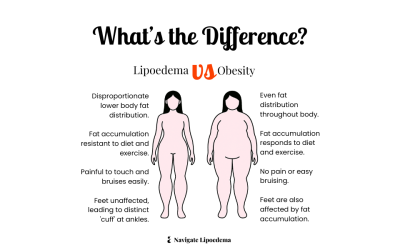
Wondering if you have lipoedema? Learn the early signs of this progressive condition, why early diagnosis matters, and how to take the next step toward treatment and support.

Stay informed about upcoming lipoedema conferences and events in 2025. From patient-focused gatherings to clinician-led symposiums, explore key opportunities to learn, connect, and stay updated on the latest advancements in lipoedema care.